This page contains three separate articles on ethnobotany: 
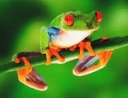
BETWEEN THE CANOPY AND THE FOREST FLOOR: Vision Plants and Medicines in Peruvian Amazonia  by Peter GormanIt is just after dawn and already the jungle is steaming. Mist hangs in the air, trailing the wild orchids up the tree trunks they cling to, into the emerald canopy 100 feet overhead. The air is thick with the mixed smells of fresh forest growth and pungent rotting vegetation. Ten yards ahead of us, almost invisible in the thick foliage, is my old friend Pablo, a Matses Indian headman dressed in an old madras shirt and Adidas shorts. He is looking for medicinal plants to give to a young Matses woman who is having problems with her menstruation. He moves in the peculiar style of the Indians of the area, half-walking, half-jogging, his head darting from side to side, scanning the plants along the narrow hunting trail. When Pablo comes on one of the plants he wants the woman to use, he pulls several broad waxen leaves from the shrub's branches and hands them to the woman's husband, Coi-ya, to hold. Coi-ya takes one of the leaves, examines it closely, breaks it open and tastes the resin. The remainder he ties in a bundle he hangs around his neck with a bit of vine. We continue for an hour, during which Pablo points out several other plants for Coi-ya's wife to use. I think we're finished when suddenly Pablo turns off the path and begins to make his way up a small root-tangled hill. Though it is nearly vertical, both he and Coi-ya climb it effortlessly; my partner and I labor furiously to keep from sliding back to the hill's base at the path. When we reach the hilltop Pablo points at a natural clearing in the jungle surrounded by short trees. "Bastante remedios," he says excitedly. "A lot of medicines here." How many? I ask. Pablo sharpens his focus like a hunter who's heard an animal. He points to a vine. "Wangana remedio," he says, wild boar medicine. And then he points to a small tree: "Short-tailed parrot medicine." And then, suddenly he's flying, pointing around him at trees and vines and shrubs and flowers and crawlers and snapping out words like a soldier. "Macaw medicine! Dog medicine! Ocelot medicine! Wild turkey medicine! Crocodile medicine! Worm medicine! Large stinging ant medicine! Tarantula medicine!" We'd evidently come on a "Diablo Chacra," a devil's garden, the name given to a jungle clearing filled with useful plants. Like a dervish, Pablo turns and points at the plants, naming animals he associates with the medicines he finds in them, and when a new vine or flower or fruit catches his eye he jumps up and down, points it out, names it, and acts out the illness it treats. He dances madly for those that treat nervousness and insanity; clutches his groin for venereal infections; mimes vomiting and stomach cramps for ulcer treatments; hobbles on one foot for snake-bite remedies. He keeps it up until he counts off more than three dozen of his plants and the problems they treat. When he finally stops he lets out a laugh. "Bastante remedios!" he says. "Bastante!" And then we start back to the village. On the way he asks me how much of his medicine I've learned. I tell him a little. He looks at me like a disappointed teacher. He's pointed things out and showed me characteristics, torn off leaves had had me smell or chew them for years now, and I've only learned a little? How much more do I need? I need a lifetime, really, though that isn't a thought I can express. I laugh and tell him it isn't easy to learn, that he knows a lot of plants. "Miles," he says. "Thousands." Modern Botany, Ancient ShamanismBotany, the study of plants, dates back thousands of years. But it wasn't until 1753 that Carolus Linnaeus, a Swedish naturalist, produced the first comprehensive system of plant classification and nomenclature in his book Species Plantarum, thus beginning the era of modern botany. Linnaeus attempted to classify most of the world's flora, which he estimated at 10,000 species. But in 1847, after a century of exploration and colonization of the Western hemisphere, British botanist John Lindley recalculated the number of species in the Plant Kingdom to be nearly 100,000. The subsequent exploration of the flora of the world's rainforests have increased that number by increments to today's 750,000. Of those, botanist Wade Davis-whose book The Serpent and the Rainbow deals with  his search for the plant compound used in Haitian Voodoo to zombify people-estimates that about 10 percent, roughly 75,000, are considered edible. Of those, only 150 have entered world commerce, and only 20, mostly domesticated cereals and tubers, stand between the human race and starvation. In addition to foods, several thousands of plants have been used by different peoples as medicines. Those include the nearly 150 still in use today-mostly in religious or spiritual healing contexts-which have varying degrees of hallucinogenic properties. Natural hallucinogens are found in the flora-and in a few members of the Animal Kingdom as well-of every continent but Antarctica. According to famed Harvard botanist Richard Schultes, they have been used at some point in the development of most cultures to one extent or another. In the preface to their book Plants of the Gods, authors Schultes and Albert Hofmann (McGraw-Hill, New York, 1979) suggest that these plants "have been known and employed in human experience since earliest man's experimentation with his ambient vegetation....They have long played an important role in the religious rites of early civilizations and are still held in veneration and awe as sacred elements by certain peoples who have continued to live...bound to ancient traditions and ways of life. How could man in primitive societies better contact the spirit world than through the use of plants with psychic effects enabling the partaker to communicate with supernatural realms?" Our own society's fascination with the use of these substances is fairly recent, but many traditional societies continue to rely on the use of hallucinogens. In Africa, Iboga, from the dogbane family, is still widely employed in Gabon, and cannabis use remains vital throughout the northern region of the continent. In Asia, cannabis, Datura and amanita muscaria, the Fly Agaric mushroom (which Schultes calls "the most spectacular Asiatic hallucinogen") continue to hold an important place in several cultures. In southeast Asia, particularly New Guinea, a number of plants, like the bark of a large tree called the Agara, are utilized to produce visions. While European society has largely abandoned psychedelic plantlore in recent centuries, in medieval times, Thorn Apple, Mandrake, Henbane and Belladonna, all belonging to the Nightshade family, were widely employed in witchcraft. There was some unintentional, and often fatal hallucinogen use in Europe, when, according to Schultes, "the fungus Ergot [from which Hofmann synthesized LSD], a parasite on rye, frequently poisoned entire regions if accidently milled into the flour.... The plague was called St. Anthony's Fire." The majority of indigenous plant hallucinogen use, however, occurs in the western hemisphere. Of the 150 or so hallucinogens still employed, nearly 120 occur in the Americas. According to Schultes, Mexico "represents without a doubt the world's richest area in diversity and use of hallucinogens in aboriginal societies....Without any question the Peyote cactus is the most important sacred hallucinogen....Of almost equal religious importance in early Mexico and still surviving in religious rituals are mushrooms, known to the Aztecs as Teonanacatl. At least 24 species of these fungi are employed at the present time in southern Mexico. Ololiuqui, the seeds of Morning Glories, represents another hallucinogen of great importance in Aztec religion and is still employed...." Peyote remains a vital part of the religion and medicine of Native Americans throughout the southwest US as well. Next to Mexico, the richest diversity of hallucinogens is found in the Andean highlands and Amazon basin of South America. Andean cultures employ half-a-dozen species of Brugmansias (Datura); the San Pedro and Luna cacti; some species of Piri-Piri, a highland grass, to name but a few. Many are so commonly used that they can be purchased at markets throughout Equador, Peru and Bolivia. But of all the cultures which continue to employ hallucinogens, it is for those in the remote areas of the Amazon basin that they are the most integral to physical survival. There, in the lowland swamps and jungles, a variety of hallucinogenic snuffs, teas, and even animal substances are part of the daily regimen of hunters and gatherers who rely on the visions these substances produce to communicate with the animate spirits of the world in which they live. his search for the plant compound used in Haitian Voodoo to zombify people-estimates that about 10 percent, roughly 75,000, are considered edible. Of those, only 150 have entered world commerce, and only 20, mostly domesticated cereals and tubers, stand between the human race and starvation. In addition to foods, several thousands of plants have been used by different peoples as medicines. Those include the nearly 150 still in use today-mostly in religious or spiritual healing contexts-which have varying degrees of hallucinogenic properties. Natural hallucinogens are found in the flora-and in a few members of the Animal Kingdom as well-of every continent but Antarctica. According to famed Harvard botanist Richard Schultes, they have been used at some point in the development of most cultures to one extent or another. In the preface to their book Plants of the Gods, authors Schultes and Albert Hofmann (McGraw-Hill, New York, 1979) suggest that these plants "have been known and employed in human experience since earliest man's experimentation with his ambient vegetation....They have long played an important role in the religious rites of early civilizations and are still held in veneration and awe as sacred elements by certain peoples who have continued to live...bound to ancient traditions and ways of life. How could man in primitive societies better contact the spirit world than through the use of plants with psychic effects enabling the partaker to communicate with supernatural realms?" Our own society's fascination with the use of these substances is fairly recent, but many traditional societies continue to rely on the use of hallucinogens. In Africa, Iboga, from the dogbane family, is still widely employed in Gabon, and cannabis use remains vital throughout the northern region of the continent. In Asia, cannabis, Datura and amanita muscaria, the Fly Agaric mushroom (which Schultes calls "the most spectacular Asiatic hallucinogen") continue to hold an important place in several cultures. In southeast Asia, particularly New Guinea, a number of plants, like the bark of a large tree called the Agara, are utilized to produce visions. While European society has largely abandoned psychedelic plantlore in recent centuries, in medieval times, Thorn Apple, Mandrake, Henbane and Belladonna, all belonging to the Nightshade family, were widely employed in witchcraft. There was some unintentional, and often fatal hallucinogen use in Europe, when, according to Schultes, "the fungus Ergot [from which Hofmann synthesized LSD], a parasite on rye, frequently poisoned entire regions if accidently milled into the flour.... The plague was called St. Anthony's Fire." The majority of indigenous plant hallucinogen use, however, occurs in the western hemisphere. Of the 150 or so hallucinogens still employed, nearly 120 occur in the Americas. According to Schultes, Mexico "represents without a doubt the world's richest area in diversity and use of hallucinogens in aboriginal societies....Without any question the Peyote cactus is the most important sacred hallucinogen....Of almost equal religious importance in early Mexico and still surviving in religious rituals are mushrooms, known to the Aztecs as Teonanacatl. At least 24 species of these fungi are employed at the present time in southern Mexico. Ololiuqui, the seeds of Morning Glories, represents another hallucinogen of great importance in Aztec religion and is still employed...." Peyote remains a vital part of the religion and medicine of Native Americans throughout the southwest US as well. Next to Mexico, the richest diversity of hallucinogens is found in the Andean highlands and Amazon basin of South America. Andean cultures employ half-a-dozen species of Brugmansias (Datura); the San Pedro and Luna cacti; some species of Piri-Piri, a highland grass, to name but a few. Many are so commonly used that they can be purchased at markets throughout Equador, Peru and Bolivia. But of all the cultures which continue to employ hallucinogens, it is for those in the remote areas of the Amazon basin that they are the most integral to physical survival. There, in the lowland swamps and jungles, a variety of hallucinogenic snuffs, teas, and even animal substances are part of the daily regimen of hunters and gatherers who rely on the visions these substances produce to communicate with the animate spirits of the world in which they live. Ethnobotanical Adventures in the Amazon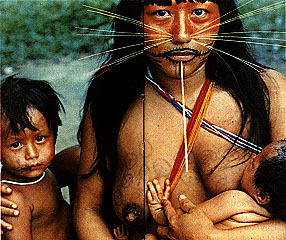 I was traveling through the Peruvian jungle with a botanist from a small experimental pharmaceutical firm which hopes to market medicines derived from natural rainforest products. Our assignment was to collect plant medicines from the indigenous peoples of the Yivari river, the border between Peru and Brazil. Once a center of the western Amazon's rubber trade, the region has been largely ignored since the demise of the rubber boom nearly a century ago. Most of the Indians who once crowded the Yivari and its tributaries are gone: many died during epidemics that raged during the boom, or in the enslavement and warfare that accompanied it; others were long ago converted and moved to the cities at the river's mouth, where they integrated into the local mestizo-mixed blood-communities. There remain only a dozen-and-a-half indigenous communities from three tribes spread out over the 500-mile length of the river. Most of them are made up of fewer than 100 people. Of the tribals who have vanished from the river, each took with them a history, a language, and the accumulated knowledge their people had of the jungle in which they lived. For the people of these remote regions of the Amazon, plants have traditionally provided housing, weapons, tools, food, means of transportation, trade goods, medicine and spiritual aids. And though hundreds of years of irregular contact with river traders, missionaries, rubber tappers, loggers, the military and the odd tourist have introduced everything from shotguns and metal tools to western clothing and an occasional outboard motor, plants continue to directly provide the bulk of indigenous needs. The study of those plants utilized by specific cultures is called ethnobotany. Unlike the professionals in the field, who spend their graduate years hitting the books and their post-doctoral years traveling from one remote culture to another collecting and drying leaves and plant parts for future study at universities, I stumbled upon the science by accident. In 1984, I was in Peru with two friends, and we had the opportunity to spend several days with a guide named Moises Torres Vienna, a former military specialist in jungle survival who by then was taking tourists out on unconventional trips. Among the things Moises introduced us to were several edible plants and insects, a variety of medicinal plants, and the hallucinogenic tea, ayahuasca. Though we took the drug out of curiosity and psychedelic interest-and I found the experience extraordinary-I knew nothing about it at the time. But on a subsequent trip to the jungle the following year, I used ayahuasca again, and learned that its primary function among the people who live in remote regions was as a curative. Curanderos, jungle doctors, drink ayahuasca to give them the ability to "see" (in the visionary aspect of the word) into their patients, to discover what is ailing them and what plant medicines they should use to treat them. The patient may or may not also drink the ayahuasca. On that second trip to the Peruvian Amazon I watched the curandero, Don Julio Jerena, successfully save the leg of a man who had been repeatedly bitten by a bushmaster, the largest venomous snake in the western hemisphere-after the well-stocked military hospital in the city of Iquitos had said it would have to be amputated. The cure involved a diet and regular exercise prescribed by Don Julio, treatment with a variety of plant medicines, and the regular drinking of ayahuasca. When asked if it was his standard treatment for bushmaster bites, Don Julio said no, it was a specific treatment for this particular patient. He had seen it while under the influence of ayahuasca the first time he was with the man. He had "seen" the sick man healthy again, provided he stuck exactly to the regimen he'd also "seen." Where the Modern and the Ancient MeetWhile everyone who lives in the Amazon has a knowledge of the plants they need for survival, those with the most refined knowledge of plants are those westerners call shaman-curanderos, healers, medicine men and women. In the little mestizo river village of Auchyako, Don Julio is the local curandero. On the tributary of the Yivari on which most of the Matses live, Pablo and his cousin Wilfredo are the healers. And despite never having met them, what Don Julio has in common with Pablo and Wilfredo is that they all view plants as sentient beings. Though a strange concept to the western mind, it is common among plant healers throughout the world. That belief is the point at which the science of ethnobotany meets the spiritualism of the shaman. For Don Julio, who spent several years apprenticing to a healer, access to the intelligence of plant life-among other things-is gained through ayahuasca. For Pablo and Wilfredo, those portals are crossed by dreaming. According to Wilfredo, the two of them "studied plant medicines every day for two years with an old man at Buenas Lomas, a big Matses village. The old man is dead now, but Pablo and I know the plants." After their initial studies they learned to dream. According to both, dreaming involves long hours of attention to specific plants, learning to identify them by the insects and animals which associate with them, learning their reproductive cycles, and finally by physically sleeping near them until the plants allow you to dream them. Pablo and Wilfredo say the plant gives you permission to use it as a curative by allowing you to dream the illnesses it treats, and the method of treatment. Once again, to westerners this is a foreign concept. With our awareness of chemical composition and physical reaction, it's difficult to accept that a plant that is used to treat a foot fungus in one village by Pablo will not treat the same fungus in another village by Wilfredo. Yet in several medicinal plant collecting trips with both of them, I saw few of the same plants used to treat similar illnesses, a testimony to their different dreams. Both acknowledge that the plants themselves have the capability of treating illnesses, but say that without the plant's expressed approval through the dream, the results will be considerably less effective. To aid the dreaming, the Matses use a psychoactive snuff they call nu-nu. Similar to the virola snuffs used by indigenous peoples throughout northwestern Amazonia, nu-nu is made by mixing the dried and pulverized leaves of an as-yet-unclassified wild tobacco, with the ashes of the soft inner bark of a tree in the Macao 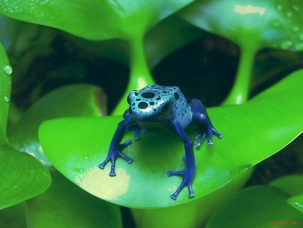 family; occasionally, other leaves are added as well. The result, a bright green snuff, is blown with force through a hollow reed tube by one man into the nostrils of another. On occasion, as many as 20 half-gram "blows" may be administered. When it hits, nu-nu hurts. It feels as though it will take the back of your head off, and leads to sometimes violent coughing and spitting up of dark green phlegm. But in moments, a pervasive calm comes over the user, and fleeting visions of extreme clarity occur. The visions are often of good places to hunt, or new areas in the forest where medicines can be found. Following the visions, the user is generally giddy for a short time, and then back to normal. Though the Matses most often use nu-nu for hunting visions, it is also a vital element in plant dreaming. According to Pablo, nu-nu helps make the plants receptive to those who wish to communicate with them. The first time the notion of plant communication was presented to me, I didn't know what to make of it: I was out with Pablo, on the way to making an animal trap. I had a headache, and he noticed it. Moments later he pulled two leaves off a vine growing up a tree trunk and rubbed them vigorously into my temples. He actually rubbed the skin raw enough to draw a little blood, then had me hold the leaves in place there. In minutes the headache vanished. His cure worked so well that I asked if he had others. He laughed and said he did, and began to point things out as we walked. As I later learned was typical for him, he would act out the infirmity as he discussed the treatment. Aware I'd stumbled on a great chance, I collected leaves, flowers and bark from the plants he discussed. Back at his village after the trap was set, I laid out all of the plants on the tree bark floor of his large hut, then got my tape recorder and camera ready. There was a mestizo woman in the camp who spoke Matses and agreed to act as my translator. I asked her to ask Pablo to begin discussing the plants again, which she did. Pablo was silent for a minute then broke into a wide grin and responded. I asked my translator what he'd said. "He says he introduced you to the plants, but now you have to make your own friends with them." I asked her what he was talking about; she relayed the message. "He says you should go sleep with them. Make friends with them and dream them. Then you won't need him to explain what they are for." family; occasionally, other leaves are added as well. The result, a bright green snuff, is blown with force through a hollow reed tube by one man into the nostrils of another. On occasion, as many as 20 half-gram "blows" may be administered. When it hits, nu-nu hurts. It feels as though it will take the back of your head off, and leads to sometimes violent coughing and spitting up of dark green phlegm. But in moments, a pervasive calm comes over the user, and fleeting visions of extreme clarity occur. The visions are often of good places to hunt, or new areas in the forest where medicines can be found. Following the visions, the user is generally giddy for a short time, and then back to normal. Though the Matses most often use nu-nu for hunting visions, it is also a vital element in plant dreaming. According to Pablo, nu-nu helps make the plants receptive to those who wish to communicate with them. The first time the notion of plant communication was presented to me, I didn't know what to make of it: I was out with Pablo, on the way to making an animal trap. I had a headache, and he noticed it. Moments later he pulled two leaves off a vine growing up a tree trunk and rubbed them vigorously into my temples. He actually rubbed the skin raw enough to draw a little blood, then had me hold the leaves in place there. In minutes the headache vanished. His cure worked so well that I asked if he had others. He laughed and said he did, and began to point things out as we walked. As I later learned was typical for him, he would act out the infirmity as he discussed the treatment. Aware I'd stumbled on a great chance, I collected leaves, flowers and bark from the plants he discussed. Back at his village after the trap was set, I laid out all of the plants on the tree bark floor of his large hut, then got my tape recorder and camera ready. There was a mestizo woman in the camp who spoke Matses and agreed to act as my translator. I asked her to ask Pablo to begin discussing the plants again, which she did. Pablo was silent for a minute then broke into a wide grin and responded. I asked my translator what he'd said. "He says he introduced you to the plants, but now you have to make your own friends with them." I asked her what he was talking about; she relayed the message. "He says you should go sleep with them. Make friends with them and dream them. Then you won't need him to explain what they are for." Shamanic Vines, Psychoactive FrogsSubstances like ayahuasca and hallucinogenic snuffs have until recently engendered less interest from the medical community than they have from psychedelic pioneers. Neo-psychedelic guru Terence McKenna sees hallucinogenic mushrooms as the probable basis for the human race's self-cognition and the birth of language, and his biologist brother Dennis views psychedelic plants as "the cognitive representatives of the Plant Kingdom." But science often views these plants as little more than intoxicants which produce "magico-religious" visions for aboriginal cultures. It is simply too difficult for most western scientists to accept that there may be other realms beyond the world as we see it-realms in which plants communicate with man, realms which are accessible through "plant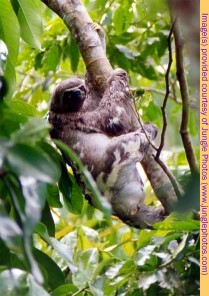 spirit aids." Today, some scientists are beginning to recognize that their assumptions may have to be reconsidered. After 20 years of telling anyone he could that Ibogaine, the hallucinogen used in initiation rites among the Bwiti in Gabon, stopped his heroin addiction cold, Howard Lotsof finally convinced the National Institute of Drug Abuse to begin testing it as an addiction-interrupter. Similar studies of ayahuasca in connection with alcoholism are currently taking place through the French government in Peru, and the rainforest conservation group Botanical Dimensions recently sponsored Dr. Charles Grob and Dennis McKenna's Huasca Project in conjunction with the Brazilian Uniao de Vegetal, to study the medical aspects of ayahuasca. One of the most unusual psychoactives currently undergoing study in both France and the US is a substance extracted from a small green tree frog, the phyllomedusa bicolor, which the Matses use for a variety of reasons. Like Pablo's plant medicine, I came on it unexpectedly. It was the morning after a hunt. I was sitting with Pablo in the hut of one of his wives, pointing to objects and asking the Matses word for them. I made notes, writing down the phonetic spelling of things like bow, arrow, spear, and hammock. Pablo was bored with the exercise until I pointed to a small leaf bag that hung over a cooking fire. "Sapo," -toad- he said, his eyes brightening. From the bag he pulled a piece of split bamboo, the size and shape of a doctor's tongue depressor. It was covered with what looked like a thick coat of aging varnish. "Sapo," he repeated, scraping a little of the material from the stick and mixing it with saliva. When he was finished, it had the consistency and color of green mustard. Then he pulled a smoldering twig from the fire, grabbed my left wrist and burned the inside of my forearm. I pulled away, but he held my wrist tightly and burned me again. The burn marks were about the size and shape of a matchhead. He scraped away the burned skin and dabbed a little of the sapo onto the exposed areas. Instantly my body began to heat up. In seconds I was burning from the inside and regretted allowing him to give me a medicine I knew nothing about. I began to sweat. My blood began to race. My heart pounded. I became acutely aware of every vein and artery in my body and could feel them opening to allow for the fantastic pulse of my blood. My stomach cramped and I vomited violently. I lost control of my bodily functions and began to urinate and defecate. I fell to the ground. Then, unexpectedly, I found myself growling and moving about on all fours. I felt as though animals were passing through me, trying to express themselves through my body. It was a fantastic feeling, but it passed quickly and I could think of nothing but the rushing of my blood, a sensation so intense that I thought my heart would burst. The rushing got faster and faster. I was in agony. I gasped for breath. I wished I could simply die to get it over with. But slowly, over the course of the next few minutes, the pounding became more steady and rhythmic, and then it finally receded to a normal rate. I realized I wasn't going to die. I was overcome with exhaustion and slept where I was. When I awoke a few hours later, I heard voices in the camp. But as I came to my senses I realized I was alone. I looked around and saw that I had been washed off and put into my hammock. I stood and walked to the edge of the hut's unwalled platform floor and realized that the conversation I was overhearing was between two of Pablo's wives who were standing nearly 20 yards away. I didn't understand their dialect, but I was surprised to even hear them at that distance. I walked over to the other side of the platform and looked out into the jungle; it's noises too were clearer than usual. And it wasn't just my hearing that had been improved. My vision, my sense of smell-all my senses seemed sharper, and my body felt immensely strong. When I found Pablo and indicated to him what I was feeling he smiled. "Sapo. Fuerte." The toad is strong. (In fact, the "toad" is a frog, but Pablo's command of Spanish is limited.) During the next several days my feeling of strength spirit aids." Today, some scientists are beginning to recognize that their assumptions may have to be reconsidered. After 20 years of telling anyone he could that Ibogaine, the hallucinogen used in initiation rites among the Bwiti in Gabon, stopped his heroin addiction cold, Howard Lotsof finally convinced the National Institute of Drug Abuse to begin testing it as an addiction-interrupter. Similar studies of ayahuasca in connection with alcoholism are currently taking place through the French government in Peru, and the rainforest conservation group Botanical Dimensions recently sponsored Dr. Charles Grob and Dennis McKenna's Huasca Project in conjunction with the Brazilian Uniao de Vegetal, to study the medical aspects of ayahuasca. One of the most unusual psychoactives currently undergoing study in both France and the US is a substance extracted from a small green tree frog, the phyllomedusa bicolor, which the Matses use for a variety of reasons. Like Pablo's plant medicine, I came on it unexpectedly. It was the morning after a hunt. I was sitting with Pablo in the hut of one of his wives, pointing to objects and asking the Matses word for them. I made notes, writing down the phonetic spelling of things like bow, arrow, spear, and hammock. Pablo was bored with the exercise until I pointed to a small leaf bag that hung over a cooking fire. "Sapo," -toad- he said, his eyes brightening. From the bag he pulled a piece of split bamboo, the size and shape of a doctor's tongue depressor. It was covered with what looked like a thick coat of aging varnish. "Sapo," he repeated, scraping a little of the material from the stick and mixing it with saliva. When he was finished, it had the consistency and color of green mustard. Then he pulled a smoldering twig from the fire, grabbed my left wrist and burned the inside of my forearm. I pulled away, but he held my wrist tightly and burned me again. The burn marks were about the size and shape of a matchhead. He scraped away the burned skin and dabbed a little of the sapo onto the exposed areas. Instantly my body began to heat up. In seconds I was burning from the inside and regretted allowing him to give me a medicine I knew nothing about. I began to sweat. My blood began to race. My heart pounded. I became acutely aware of every vein and artery in my body and could feel them opening to allow for the fantastic pulse of my blood. My stomach cramped and I vomited violently. I lost control of my bodily functions and began to urinate and defecate. I fell to the ground. Then, unexpectedly, I found myself growling and moving about on all fours. I felt as though animals were passing through me, trying to express themselves through my body. It was a fantastic feeling, but it passed quickly and I could think of nothing but the rushing of my blood, a sensation so intense that I thought my heart would burst. The rushing got faster and faster. I was in agony. I gasped for breath. I wished I could simply die to get it over with. But slowly, over the course of the next few minutes, the pounding became more steady and rhythmic, and then it finally receded to a normal rate. I realized I wasn't going to die. I was overcome with exhaustion and slept where I was. When I awoke a few hours later, I heard voices in the camp. But as I came to my senses I realized I was alone. I looked around and saw that I had been washed off and put into my hammock. I stood and walked to the edge of the hut's unwalled platform floor and realized that the conversation I was overhearing was between two of Pablo's wives who were standing nearly 20 yards away. I didn't understand their dialect, but I was surprised to even hear them at that distance. I walked over to the other side of the platform and looked out into the jungle; it's noises too were clearer than usual. And it wasn't just my hearing that had been improved. My vision, my sense of smell-all my senses seemed sharper, and my body felt immensely strong. When I found Pablo and indicated to him what I was feeling he smiled. "Sapo. Fuerte." The toad is strong. (In fact, the "toad" is a frog, but Pablo's command of Spanish is limited.) During the next several days my feeling of strength 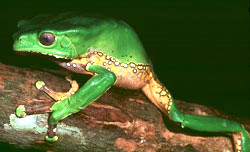 didn't diminish. I could go whole days without being hungry or thirsty, and moved through the jungle for hours without tiring. Every sense I possessed was heightened and in tune with the environment, as though I was on an adrenal drip. I later learned the Matses use sapo for both physical and spiritual reasons. It is used to sharpen the senses and increase stamina on long hunting trips when carrying food and water are difficult. As a medicine, it serves as both a tonic to cleanse and strengthen the body, and as a toxin purge for those with the grippe, or flu. Matses women say they use it to determine whether they are pregnant, and to establish the health and sex of a fetus. In large doses it acts as an abortive. On the spiritual side, Pablo claims that in massive doses (certainly lethal in those not accustomed to it), it allows him to project his spirit as an animal to communicate with other animals. By chance, my reports of sapo reached the hands of an Italian scientist, Vittorio Erspamer, at the University of Rome. Erspamer had studied the phyllomedusa bicolor's chemicals, but said there were no reports of the use of its secretions by humans. Reapplying himself to the work with samples of the material I was lucky enough to get, he determined that the secretions were a powerful chemical cocktail with potential medical applications. Based on Erspamer's work, two pharmaceutical houses have begun investigating the material for possible use in producing painkillers, natural abortives, adrenal gland stimulators, and heart medications. But despite these various and important steps by a few investigators, most of the hallucinogens in the world's pharmacopoeia continue to be ignored by western science. didn't diminish. I could go whole days without being hungry or thirsty, and moved through the jungle for hours without tiring. Every sense I possessed was heightened and in tune with the environment, as though I was on an adrenal drip. I later learned the Matses use sapo for both physical and spiritual reasons. It is used to sharpen the senses and increase stamina on long hunting trips when carrying food and water are difficult. As a medicine, it serves as both a tonic to cleanse and strengthen the body, and as a toxin purge for those with the grippe, or flu. Matses women say they use it to determine whether they are pregnant, and to establish the health and sex of a fetus. In large doses it acts as an abortive. On the spiritual side, Pablo claims that in massive doses (certainly lethal in those not accustomed to it), it allows him to project his spirit as an animal to communicate with other animals. By chance, my reports of sapo reached the hands of an Italian scientist, Vittorio Erspamer, at the University of Rome. Erspamer had studied the phyllomedusa bicolor's chemicals, but said there were no reports of the use of its secretions by humans. Reapplying himself to the work with samples of the material I was lucky enough to get, he determined that the secretions were a powerful chemical cocktail with potential medical applications. Based on Erspamer's work, two pharmaceutical houses have begun investigating the material for possible use in producing painkillers, natural abortives, adrenal gland stimulators, and heart medications. But despite these various and important steps by a few investigators, most of the hallucinogens in the world's pharmacopoeia continue to be ignored by western science. The Coming Revolution in Plant MedicineAnd it is not only the hallucinogens which are being ignored. According to Roberto Root-Bernstein, a physiologist at Michigan State University, most traditional medicines are dismissed. In a recent issue of Omni magazine, he observes, "Our high-tech medical establishment pooh-poohs primitive cures as superstitious nonsense." The scope of industrial civilization's invisible genocide against indigenous peoples is dizzying. Nearly 300 distinct cultures have been lost to acculturation, disease, or loss of traditional lands worldwide since the turn of the century-nearly one per year in the Amazon alone. But despite the expansion of the western medical model and the rapid erosion of traditional knowledge, plant medicines remain the primary form of medical treatment for an estimated 75 percent of the world's population, including most of Africa, Latin America and Asia. And even in our own western pharmacopoeia, nearly half the medicines we use contain plant material or synthetics derived from them-including aspirin, atropine, digitalis, quinine, morphine, and the majority of our anti-tumor medications. Outspoken pharmocognocist Norman Farnsworth, believes that somewhere in the plant kingdom there is a remedy for every ailment known to humanity. Unfortunately, most pharmaceutical houses don't agree with him. Most view the medicine-plant successes already on the market as either dumb luck or quaint anachronism, and since the 1950s have preferred to work at purely synthetic drug development, ignoring the vast potential of the world's flora. In fact, the World Wildlife Fund estimates that less than two percent of the flora of the Amazon has been investigated for potential medical use in even  the most cursory fashion. And even as western pharmaceutical houses have started recently reinvestigating plant materials for possible medical applications, the screening method is generally to make large and haphazard plant collections, rather than talking to the curanderos who use the plants. Which doesn't mean that the large houses won't get involved when the chance at a profit shows itself: Eli Lilly jumped on the rosy periwinkle of Madagascar once independent consultants discovered it had promising therapeutic potential. The result of their investigation led to the development of vincristine, the chemotherapeutic agent now used in the treatment of childhood leukemia. Fortunately, a few smaller companies have recently decided that it is precisely the curanderos to whom they should be talking. The most notable among them is the California-based Shaman Pharmaceuticals, which has botanists and doctors working with curanderos in dozens of countries worldwide. Their success or failure may determine whether other companies go the same route. Aside from Shaman, there are several small consorts working with individual plants. Among the traditional medicines of Central and South America being studied most closely is a plant-of which there are several species-called the Una de Gato, the Cat's Claw, commonly used as a tonic and blood cleanser. Scientists are studying it as a possible AIDS treatment. For several years, the city of Iquitos, Peru's gateway to the Amazon, has been the site of a clandestine operation involving physicians from several countries. Deathly ill AIDS patients are flown in secretly and whisked out to the jungle for intense Una de Gato therapy. Though their results remain closely guarded, the very fact that it is AIDS which is being treated has led to the marketing of dozens of Una de Gato medicines, teas, and powders throughout western South America. So much interest has been generated in the plant that Peru has recently outlawed its export. The new interest in plant medicines, however, has brought fewer scientists and ethnobotanists into the jungle than it has psychedelic tripsters looking for an unusual high. And the tourist presence in many areas of Amazonia has done much to corrupt what remains of the traditional plant knowledge. Several Indian and mestizo curanderos are regularly flown to the States, where they give ayahuasca sessions to high-paying New Agers-to the detriment of the Amazon locals who depend upon them. Dozens of others have left their communities to work at tourist camps specializing in the shamanic experience. the most cursory fashion. And even as western pharmaceutical houses have started recently reinvestigating plant materials for possible medical applications, the screening method is generally to make large and haphazard plant collections, rather than talking to the curanderos who use the plants. Which doesn't mean that the large houses won't get involved when the chance at a profit shows itself: Eli Lilly jumped on the rosy periwinkle of Madagascar once independent consultants discovered it had promising therapeutic potential. The result of their investigation led to the development of vincristine, the chemotherapeutic agent now used in the treatment of childhood leukemia. Fortunately, a few smaller companies have recently decided that it is precisely the curanderos to whom they should be talking. The most notable among them is the California-based Shaman Pharmaceuticals, which has botanists and doctors working with curanderos in dozens of countries worldwide. Their success or failure may determine whether other companies go the same route. Aside from Shaman, there are several small consorts working with individual plants. Among the traditional medicines of Central and South America being studied most closely is a plant-of which there are several species-called the Una de Gato, the Cat's Claw, commonly used as a tonic and blood cleanser. Scientists are studying it as a possible AIDS treatment. For several years, the city of Iquitos, Peru's gateway to the Amazon, has been the site of a clandestine operation involving physicians from several countries. Deathly ill AIDS patients are flown in secretly and whisked out to the jungle for intense Una de Gato therapy. Though their results remain closely guarded, the very fact that it is AIDS which is being treated has led to the marketing of dozens of Una de Gato medicines, teas, and powders throughout western South America. So much interest has been generated in the plant that Peru has recently outlawed its export. The new interest in plant medicines, however, has brought fewer scientists and ethnobotanists into the jungle than it has psychedelic tripsters looking for an unusual high. And the tourist presence in many areas of Amazonia has done much to corrupt what remains of the traditional plant knowledge. Several Indian and mestizo curanderos are regularly flown to the States, where they give ayahuasca sessions to high-paying New Agers-to the detriment of the Amazon locals who depend upon them. Dozens of others have left their communities to work at tourist camps specializing in the shamanic experience. Protecting Traditional KnowledgeWith the loss of the world's rainforests, and the push of western civilization into more and more remote areas of the world, traditional plant knowledge becomes more endangered daily. Relatively few of the plant healers in Amazonia have apprentices. And in cultures which depend on an oral tradition passing knowledge from generation to generation, that knowledge can be easily lost. Wilfredo is one of the lucky plant healers who has an apprentice of his own to teach. But neither Pablo nor Don Julio do. And as more and more of the younger Indians and mestizos alike choose to forsake life in the jungle for the river cities, fewer and fewer curanderos will find apprentices. Fortunately, there are some groups working to save the endangered knowledge of these people. In Belize, Rosita Arvigo founded the Ix Chel Farm in 1987 to preserve the botanical knowledge of Don Elijio Panti, an old Mopan Maya Indian. Since then the farm, funded by the National Institutes of Health and the US Agency for International Development, has identified 2,800 potentially curative plant species from several local healers. They are slowly being catalogued by Michael Balick, director of the Institute of Economic Botany at the New York Botanical Garden. To ensure that the people whose medicines are being investigated will get a cut of any eventual pharmaceutical profits, Arvigo organized the Belize Association of Traditional Healers, and to ensure that the plants themselves won't be lost to deforestation, BATH established the Terra Nova Medicinal Plant Reserve on government-owned rainforest land. Shaman Pharmaceutical is one of the backers of the Terra Nova Reserve.  Shaman already has its own program in place, The Healing Forest Conservancy, which not only documents the knowledge of the peoples from whom they collect, but also guarantees that a good part of any profits they eventually realize from traditional medicines will be returned to the peoples who contributed to their discoveries by keeping the herblore alive through countless generations. In Ecuador, a similar project, Plantas Medicinales del Campo, works to conserve the knowledge of the Andean healers, and has produced a book of traditional medicines. In southern India, the Irula Tribal Women's Society has begun collecting and documenting the medicinal knowledge of the local healers, and marketing some of the plant extracts. While an important element of all of these projects is to ensure that traditional plantlore is not lost, their most important principle is to generate continuing interest by the peoples themselves in their own cultural heritage. One of the first to realize the importance of such a step was ethnobotanist and author Dr. Mark Plotkin, who set up The Shaman's Apprentice program several years ago to return in written form to each Amazon tribe he worked with all the plant knowledge he learned from them-in the hopes that it would generate interest in the herblore among younger tribal members. Shaman already has its own program in place, The Healing Forest Conservancy, which not only documents the knowledge of the peoples from whom they collect, but also guarantees that a good part of any profits they eventually realize from traditional medicines will be returned to the peoples who contributed to their discoveries by keeping the herblore alive through countless generations. In Ecuador, a similar project, Plantas Medicinales del Campo, works to conserve the knowledge of the Andean healers, and has produced a book of traditional medicines. In southern India, the Irula Tribal Women's Society has begun collecting and documenting the medicinal knowledge of the local healers, and marketing some of the plant extracts. While an important element of all of these projects is to ensure that traditional plantlore is not lost, their most important principle is to generate continuing interest by the peoples themselves in their own cultural heritage. One of the first to realize the importance of such a step was ethnobotanist and author Dr. Mark Plotkin, who set up The Shaman's Apprentice program several years ago to return in written form to each Amazon tribe he worked with all the plant knowledge he learned from them-in the hopes that it would generate interest in the herblore among younger tribal members. Morning in the JungleWe were out with Wilfredo, his apprentice, and several others in the the lush jungle behind his village. We had cut a small tree into several one-meter lengths, and were rasping the bark-an extract of which Wilfredo used as a skin medicine-onto large leaves laid out on the ground. The work was tedious, as I needed several pounds of the thin bark for my collection. After he had done his share, Wilfredo handed the machete to me and walked off into the brush. When he returned, he was carrying the flowering top of a plant. "Pedro," he said, handing it to me. "Do you know this plant?" I told him I didn't. "I use this for women who can't carry babies. I make it a tea and they stop miscarrying." The tiny red flowers looked like little bells; the green leaves were so fine they were nearly translucent. It was a beautiful plant. "When we finish the plants you asked for should we collect this?" I told him that we might on the next trip, but that no one had asked me for that sort of remedy this time. "Then tell them to send you back quickly. There are a lot of plants you need to learn." Bastante. © Peter Gorman 2001
The Urgency of Ethnobotanical Research in the Tropics by Kelly Simon (24 March 1997) ABSTRACT: Historically, plants have been beneficial to the medical community. Medicinal plant research is beginning to regain its frequency, due to the realization that synthetic drug research my not lead to the creation of all needed drugs. The rain forests of the tropics contain great biodiversity, and this is where most medicinal plant exploration takes place. A very productive method of plant exploration is ethnobotany. Because of acculturation of indigenous cultures and the fast-paced destruction of the tropical rain forests, it is urgent that ethnobotanical research be conducted.
Throughout history, humans have looked to plants as their primary medicinal source. In fact, "[b]otany.. was traditionally regarded as a branch of medicine," and it wasn't until the mid-1800s that botany was recognized as its own distinct science (Raven, Evert, and Eichhorn 707). Even today, many important drugs are botanically derived. The "most widely used pharmaceutical in the world" is aspirin, which was originally derived from the Queen-of-the-Meadow plant (Filipendula ulmaria) (Wilson 283; Wyman 381). Ephedrine, which is derived from the species Ephedra sinica, is presently used as a bronchodilator (Balick and Cox 34). Several drugs come from the opium poppy (Papaver somniferum), including morphine, an analgesic, and papaverine, an antispasmodic (Wyman 779; Balick and Cox 35). The rosy periwinkle (Catharanthus roseus) has given the medical community two very important drugs: vinblastine, a treatment for Hodgkin's disease, and vincristine, a treatment for pediatric leukemia (Balick and Cox 33,35). Pharmaceutical companies looked to nature for medicine up until the 1960's when computers prompted the turn towards synthetic drugs, which now comprise nearly 75% of all the prescriptions in this country (Newman 482; Sears 92). For nearly thirty years, synthetic drug research dominated the pharmaceutical industry, until natural drug research began to make a comeback around 1990, when it was realized that even with the advanced computerized technology that exists today, scientists cannot abandon nature as a source for drugs. This is because "tropical plants contain powerful chemical defenses, many of which are too complex to be accurately replicated in a lab. Additionally, scientists have already synthesized many of the substances which are [in fact] reproducible" (Newman 83). As Monroe Wall, an organic chemist from North Carolina's Research Triangle Institute, states, "Scientists may be able to make any molecule they can imagine on a computer, but Mother Nature--over the course of millions of years--is an infinitely more ingenious and exciting chemist" (qtd. in Sears 93). Indeed, millions of years of evolution in the plant kingdom has resulted in an array of chemically diverse botanicals. This chemical complexity and diversity, which is probably due to the building of defense mechanisms to ward off enemies in nature, has made plants a "rich source of medicines" (Cox and Balick 82). Despite this, less than 1,325 of the world's 265,000 flowering plant species have been thoroughly tested for their medicinal potential (83). Since plants are such good sources of medicine, and since it is not currently possible to create all necessary drugs synthetically, it seems that greater emphasis should once again be placed upon the exploration and testing of medicinal plants, at least as long as nature holds information unknown to us. Some pharmaceutical companies, including Shaman Pharmaceuticals and Merck & Company, have done just that, in the tropical rain forest. The tropical rain forest is the primary area of focus for those searching for medicinal plants, due to its rich biodiversity: "Nature reaches its fullest expression in the tropical forest, whether measured by sheer numbers of species or by the complexity of their interactions" (Terborgh 3). In fact, approximately one half of the world's flowering plants reside in tropical forests (Cheng). Plants living in tropical forests "have had to develop complex chemical arsenals to survive against a myriad [of] attackers: other insects, fungi, viruses, and bacteria," making them prime sources for medicinal research (qtd. in Newman 481). The vast majority of these plants are yet to be reviewed by botanists, and there may be several potentially life saving drugs in the rain forest just waiting to be discovered. Dr. Michael Balick, director of the New York Botanical Garden's Institute of Economic Botany, along with Dr. Robert Mendelsohn, economist at Yale University, have roughly estimated that there are 328 drugs in the rain forests that have not yet been found (Cheng). While this figure has been disputed, notably by Dr. Jim Miller of the Missouri Botanical Garden, few dispute that the rain forests are potentially significant sources for new medicines (Cheng). To tap into the medicine cabinet of the tropical rain forests, more and more pharmaceutical companies are increasing funding for medicinal plant exploration in the tropics. There are many different methods being used by researchers to find plants that may turn out to be useful drugs. One of these methods involves randomly collecting plants and then mechanically screening them for useful medicinal properties. The National Cancer Institute successfully used this method of plant exploration to uncover the drug taxol, which turned out to be a useful treatment for ovarian cancer and certain forms of breast cancer (Cox and Balick 83). However, the method of random plant exploration of the tropics up to this point has been relatively unproductive, uncovering a very small percentage of plants which display pharmacological activity. Other methods of exploring the rain forests for medicine take a more focused approach. In some of these methods, the selection of plants for medical testing is based on the ecology of a certain area; in other methods, the selection of plants is based on taxonomic or chemical relationships between plants (Cox and Balick 84; Lewis and Elvin-Lewis 16). Another method is ethnobotany, a multi-disciplinary "study of the relationships between plants and people" (Balick and Cox 3). Using the ethnobotanical method of plant exploration, researchers obtain information from native healers which guides them in their selection of plants to be tested for medicinal properties. Many common drugs are the direct results of ethnobotanical research, including aspirin, caffeine (a stimulant), ephedrine, cocaine (an ophthalmologic anesthetic), and morphine (Cox and Balick 34,35). According to Walter H. Lewis and Memory P. Elvin-Lewis, authors of "Medicinal Plants as Sources of New Therapeutics," about three-quarters of the biologically active plant-derived compounds presently in use worldwide have been discovered through follow-up research to verify the authenticity of data from. . . ethnomedicinal uses, [so] it is reasonable to conduct ethnobotanically directed research in order to optimize the search for novel pharmaceuticals. (16) In their article "The Ethnobotanical Approach to Drug Discovery," Paul Alan Cox and Michael J. Balick state, "[t]he history of drug discovery implies that the ethnobotanical approach is the most productive of the plant surveying methods" (84). The primary reason ethnobotany is so productive is that it incorporates the use of medicinal knowledge of indigenous societies living in the tropics into plant exploration and drug discovery. The ethnobotanical process is a long and complex one, and it begins by choosing a group of people to study. To an ethnobotanist, a group of people native to a particular location is a better candidate for an ethnobotanical study than an immigrant population because it is assumed that indigenous people are more knowledgeable of their habitat, as they have had considerably more time to experiment with the surrounding resources. The degree of biodiversity of the habitat in which the indigenous society lives and the method of transmission of medicinal knowledge within the culture are also important considerations in choosing society to work with in an ethnobotanical study (Cox and Balick 84). Thus, a society native to an area with great biodiversity, such as a tropical rain forest, that passes down medicinal knowledge orally from generation to generation would be a likely candidate for an ethnobotanical study. Once a society has been chosen for study, an ethnobotanist immerses himself or herself in the indigenous culture, often learning the language and becoming accustomed to the traditions of the culture. It is important that a trusting relationship be built between the ethnobotanist and the culture's native healer in order to ensure cooperation in the transfer of botanical and medicinal knowledge. According to the personal experiences of Richard Evans Schultes, an ethnobotanist who studied cultures in the Amazon for nearly fifty years, indigenous people are "extremely friendly and cooperative," and an ethnobotanist is "usually immediately accepted [by the
culture] and may even. . . [encounter] excessive collaborative attention" (Schultes 27). If an ethnobotanist feels that a plant used in traditional medicine has drug-producing potential, that plant may undergo a series of tests to determine if it contains chemicals that combat diseases. If the plant leads to the manufacture of a marketable drug, the indigenous society and/or the country in which it is located will often be compensated in some way. As with the Samoan people whose knowledge of the tree species Homalanthus nutans led to the derivation of prostratin, a "drug candidate for the treatment of AIDS, " the compensation may be in the form of royalties from the sale of a drug derived from a plant uncovered with the help of an indigenous culture (Balick and Cox 55). However, with peoples who have no concept of money in their culture, royalties from the sale of a drug are meaningless; "[f]or many indigenous peoples, the right to live unmolested and undisturbed on their ancestral lands is the greatest value" (60-61). To compensate these people, "nature preserves [are created to] protect both biodiversity and indigenous cultures" (61). In Samoa, the Falealupo Rain Forest Reserve has been established in the location of the prostratin-producing trees (60). Over many generations, experimentation with the resources in an indigenous society's habitat takes place, and the results of medicinal experimentation accumulates as the wisdom is carried on from generation to generation. Since the primary goal of researchers is to gain greater knowledge about the enormous collection of unfamiliar plants in the tropical rain forests, indigenous people who have lived with and used these plants for hundreds, or perhaps thousands, of years are excellent sources to look to for medicinal information. Balick and Cox pointed out that "[c]onsistent application of a given species for an ailment over millennia generates information rather analogous to that produced by large scale clinical trials. Such repetitive, long term use of botanical species [by indigenous peoples] can be expected to have identified both the most effective medicinal plants and those that are too toxic for use (84)." Thus, the ethnobotanist has much to gain by observing the medicinal uses of plants by the native healer of an indigenous society. The ethnobotanical approach to plant exploration provides a more focused view of the tropical plant collection and, in turn, leads to more productive results than other methods. Shaman Pharmaceuticals Inc. (see below) , located in San Carlos, California, employs only ethnobotany as a means for discovering new drugs (Hamilton). Ethnobotanists from Shaman Pharmaceuticals travel to tropical areas like Latin America in search of medicinal knowledge to be obtained from native healers and use this knowledge to collect certain plants that will be brought back to the United States to be screened for medicinal qualities (Hamilton). Being a small company, only about seventy-five plants are screened per year by Shaman pharmaceuticals, but, in comparison to larger companies that use random plant selection to screen thousands more plants each year, Shaman is doing quite well: "Shaman comes up with an initial 'hit' [during the screening process] about half the time, vs. a minuscule fraction of that in random screening programs" (Hamilton). In its first four years, Shaman has discovered two promising drugs--one to treat respiratory infections and one to treat herpes simplex virus infections (Cox and Balick 86). With the great potential that possibly hundreds of plant derived drugs lie hidden in the jungles of the tropics, and with the relative successes of the ethnobotanical approach to medicinal plant exploration, why aren't more ethnobotanists in the tropical rain forests searching for these drugs? Funding seems to be a major obstacle that is preventing companies from conducting ethnobotanical research. Pharmaceutical companies do not seem to be willing to spend much money on tropical plant exploration unless they can be assured that they will profit from it. While the fruits of ethnobotany have created considerable profit for pharmaceutical companies (the sale of vinblastine and vincristine alone brings in $180 million per year), monetary gain is realized only after years of research and experimentation. In the beginning, Shaman Pharmaceuticals received all of its research funding from a larger pharmaceutical company, Eli Lilly, but this funding was cut off in 1994, and now Shaman's future depends on whether a marketable drug is produced in the near future (Newman 496). However, even though Shaman has two possible drugs currently being tested, it may be several years before a drug is actually sold and profit is made, and the company may run out of funding before then. One problem even more serious and more detrimental to ethnobotanical research than lack of funding is the modernization of indigenous cultures. As greater numbers of indigenous societies come in contact with people from more industrialized nations, there is a tendency for the younger generations of indigenous societies to leave behind the traditions and customs of their own society in order to grasp those of the "modern" world. Richard Evans Schultes, professor of biology and director of the Harvard Botanical Museum, addresses the issue: "What we in the developed world call civilization is rapidly encroaching on indigenous communities, just as it is encroaching on the plants, and native botanical lore is usually an early casualty. In only one generation, acculturation can lead to the disappearance of botanical knowledge acquired over millennia (26)." When the medicinal knowledge of native healers is not passed down to apprentices, it will only live as long as the healer. As fewer young people desire to become apprentices, the threat is great that this knowledge will be lost. This already happened in Samoa, where two healers who worked with ethnobotanist Paul Alan Cox to discover the drug prostratin died in 1993, taking with them many years of medicinal knowledge that was not passed down to an apprentice (Cox and Balick 87). One thing that can be done to prevent this is to increase the magnitude of ethnobotanical research in the tropics to ensure that as much medicinal knowledge as possible is recorded before the native healer's lips are silenced forever. As the numbers of native healers dwindle because of acculturation, the ability to explore the rain forests through ethnobotanical research becomes increasingly limited. In addition, the mass destruction of the tropical rain forests throughout the world is severely limiting the amount of biological diversity that the ethnobotanist, or any other plant explorer, has available to him or her for searching for botanical medicines. Between twenty-seven million acres and fifty million acres of tropical forests are destroyed every year; at the current rate of deforestation, every acre of rain forest would be destroyed by the year 2024 (Newman 485). As the deforestation of tropical rain forests continues, so does the extinction of half of the world's plant species. An unfortunate example of the loss of medicinal plants due to deforestation occurred in the late 1980s to early 1990s. A small sample from a gum tree in Malaysia was taken by scientists in 1987 for the purposes of testing it for medicinal properties (482). This testing took place in 1991 with promising results: a compound found in the Malaysian gum tree "blocked the spread of the HIV-1 virus in [a] human immune cell" (qtd. in Newman 482). However, when scientists returned to Malaysia to gather more samples from the gum tree, they discovered not only that the tree had been cut down, but also that there were no other trees like it that could be found (Newman 482). Although the compound was far from being called a cure for AIDS, "the results looked promising in the possible eradication of the virus" (482). As deforestation continues, this loss of potential drugs due to plant extinction may become a common occurrence. At the current rate, it has been estimated that between 1994 and 2004, twenty-five plant-derived drugs will not be discovered, due to extinction caused by deforestation (487). Therefore, "[w]ith the continual extinction of an unknown number of these potentially valuable species, the likelihood of finding a cure for cancer and, similarly, many other as-yet incurable diseases, also diminishes" (487). Mass deforestation of the tropical rain forests is undoubtedly the work of human hands. Usually, it is the lure of "short-term cash generation" that prompts nations in these tropical areas to utilize the rain forests for profit (Newman 488). However, this utilization, which includes "timber extraction, cattle ranching, crop production, mining, [and] road construction," results in the destruction of tropical rain forests (488). The most common practice that results in deforestation is slash-and-burn agriculture (488). In this farming method, the trees in the area to be used for cultivation or grazing are cut down (slash), and then they are set on fire (burn). This produces a nutrient-rich layer of ash which sits on top of the existing soil, making the area a prime location for crop production (488). However, "[w]ithout the tropical canopy to protect the ground, ...frequent and heavy rains leach nutrients from the soil, rendering the land virtually worthless" (489). Because of this, farmers move to a new area every few years to begin anew the cycle of slash-and-burn, thus perpetuating the deforestation of tropical rain forests. Since the main causes of deforestation stem from economic need, a way to eliminate deforestation is to eliminate the economic need of indigenous societies. In order to ensure the cessation of deforestation, those responsible must become convinced that they will profit from conserving the tropical rain forest (Newman 495). Ethnobotany offers one way to do this: through agreements between ethnobotanists (along with the pharmaceutical companies they work for) and indigenous societies, those who aid in the search for plant-derived drugs will receive monetary compensation for their contributions to the drug-seeking and conservation efforts (496). Further, royalties from any drug manufactured through the help of an indigenous society will benefit the society either monetarily or through increased conservation of the tropical rain forest in which they live (496). Shaman Pharmaceuticals is one company devoted to preventing deforestation: "By enabling the locals to make a living collecting samples, Shaman hopes to create the necessary economic alternative to deforestation" (496). Although Shaman Pharmaceuticals neglects compensation of the government of the country in which the ethnobotanical plant exploration takes place, this aspect must not be ignored because "[w]ithout financial benefit for the government, . . . [there is] little deterrence for the impoverished governments to continue exploiting their nations' natural resources" (496). Therefore, if it is more profitable to cooperate with ethnobotanical research than it is to practice logging, slash-and-burn agriculture, or other forest-depleting practices, then deforestation may be halted and conservation can begin. As it is the most productive of all the plant exploration methods currently being used, ethnobotany can be used as a tool for both acquiring the extensive medicinal knowledge of the indigenous peoples and exploring the vast biodiversity of the tropical rain forests in which they live, as well as discovering botanically derived drugs. However, as acculturation takes place among the younger generations of indigenous cultures, the threat of the loss of medicinal knowledge compiled over many generations is great because fewer young people want to participate in traditional medicine by becoming apprentices to the culture's medicinal healer. If there is no apprentice to carry on the medicinal knowledge to the next generation, this knowledge will die with the native healer. Furthermore, as deforestation of the tropical rain forests continues, more and more potentially life-saving botanical drugs will be lost forever, due to extinction. Thus, as the legacy of indigenous medicine will survive only a few more generations, and as deforestation threatens to destroy the indigenous healers' medicine cabinet, there is great urgency that plant exploration be conducted through ethnobotanical research. The only way to preserve the wisdom of the native healers, and, similarly, the only way to ensure that as few drugs as possible are lost to deforestation is to make sure that extensive, large-scale ethnobotanical research is conducted throughout the tropical regions of the world. Since we use the knowledge from these dying healers to find potentially life-saving drugs, which are located in the rapidly deforested tropical rain forests, future human life may depend on the urgency of ethnobotanical research in the tropics.
Works CitedBalick, Michael J. and Paul Alan Cox. Plants, People, and Culture: The Science of Ethnobotany. New York: Scientific American Library, 1996.
Cheng, Vicki. "328 Useful Drugs Are Said to Lie Hidden in Tropical Forests." 27 June 1995. New York Times. Online 15 Feb. 1997.
Cox, Paul Alan and Michael J. Balick. "The Ethnobotanical Approach to Drug Discovery." Scientific American. June 1994: 82-87.
Hamilton, Joan. "The Medicine Man Will See You Now." Business Week 1 Mar. 1993.
Lewis, Walter H. and Memory P. Elvin Lewis. "Medicinal Plants as Sources of New Therapeutics." Annals of the Missouri Botanical Garden 82 (1995): 16-24.
Newman, Erin B. "Earth's Vanishing Medicine Cabinet: Rain Forest Destruction and Its Impact on the Pharmaceutical Industry." American Journal of Law and Medicine 20 (1994): 479-501.
Raven, Peter H., Ray F. Evert, and Susan E. Eichhorn. "Plants and People." Biology of Plants. 5th ed. New York: Worth, 1992.
Schultes, Richard Evans. "Burning the Library of Amazonia." The Sciences Mar.-Apr. 1994: 24-30.
Sears, Cathy. "Jungle Potions." Handbook Science Annual: A Modern Science Anthology for the Family. Ed. Joseph M. Castagno. Southwestern Company, 1993.
Terborgh, John. Diversity and the Tropical Rain Forest. New York: Scientific American Library, 1992.
Wyman, Donald. Wyman's Gardening Encyclopedia. New York: Macmillan, 1986.
Case Study: Shaman PharmaceuticalsIntegrating Indigenous Knowledge, Tropical Medicinal Plants, Medicine, Modern Science and Reciprocity into a Novel Drug Discovery ApproachShaman Pharmaceuticals, Inc.
213 East Grand Ave.
South San Francisco, CA 94080 IntroductionTropical forest plant species have served as a source of medicines for people of the tropics for millennia. Many medical practitioners with training in pharmacology and/or pharmacognosy are well aware of the number of modern therapeutic agents that have been derived from tropical forest species. In fact, over 120 pharmaceutical products currently in use are plant-derived, and some 75% of these were discovered by examining the use of these plants in traditional medicine(1). Of these, as shown in Table I, a large portion have come from tropical forest species. Yet while many modern medicines are plant-derived, the origins of these pharmaceutical agents and their relationship to the knowledge of the indigenous people in the tropical forests is usually omitted. Today, five centuries after the Old World and the New World first collided, it is no longer a question of whether indigenous peoples should benefit from products that have been developed on the basis of their knowledge. Individual ethnobiologists and organizations such as the Society of Economic Botany, the International Society of Ethnobiology, and the American Anthropological Association have emphatically stated the importance of ethical reciprocal conduct by all parties who perform research with indigenous peoples(2-6). The most challenging issues which remain are: How do indigenous and local peoples, themselves, define benefits, and through what mechanisms can individuals and organizations working with these groups provide such benefits? These are questions which one pioneering pharmaceutical company, Shaman Pharmaceuticals, addresses as part of its ethical obligation of doing business. Shaman Pharmaceuticals, Inc. is a South San Francisco-based pharmaceutical company that focuses on isolating bioactive compounds from tropical plants that have a history of medicinal use. Shaman is working to promote the conservation of tropical forests and bridge the gap between the biomedical needs of both indigenous cultures and the rest of the global population. Eschewing the mass screening approach typically done by many pharmaceutical companies, Shaman has pioneered a novel approach to drug discovery, integrating traditional plant natural products chemistry, the science of ethnobotany, medicine, and medicinal chemistry while maintaining a commitment of reciprocity to the indigenous cultures. The Rainforest as a Source For New PharmaceuticalsUntil the early 1970's, there was a strong interest in looking at plants as sources of new pharmaceutical agents. In fact, many modern pharmaceutical companies can trace their origins to products originating from plants. However, advances in molecular biology, genetic engineering, and computational chemistry in the late 1970's and 1980's and, even more recently, advances in combinatorial chemistry(7,8) created much promise within the pharmaceutical industry without the need to explore nature's chemical diversity. Natural product chemists and phytochemists recognize that plant species contain a bewildering diversity of secondary metabolites. Individual plant species often contain over 1,000 unique chemical entities (or the enzymatic machinery needed to produce compounds upon the proper stimulus). One of the most compelling explanations for this vast array of chemical diversity, which resides within the biological diversity of tropical plant species, is the science of chemical ecology. Plants living in tropical forest habitats have had to develop and survive under intense competition for resources and nutrients. They have also had to develop an extraordinary array of defenses, most of them chemical, to protect themselves from viral diseases, fungal pathogens, insects and mammalian predators. The biodiversity of tropical forest plant species, coupled with the chemical diversity found within each plant, leads one to the conclusion that tropical plants are perhaps the most valuable source of new bioactive chemical entities. The enormous chemical diversity of the tropical rain forest can be best appreciated if one considers the relative abundance and diversity of plants on earth. It is estimated that there are roughly 500,000 higher flowering plant species occupying terrestrial habitats. Of these 500,000 species, many await discovery description by scientists. A large number of species has only been very superficially examined for their pharmacological and medical application. Less than 1% of these species has been thoroughly investigated for their potential use as novel therapeutic agents. The development of robotics for high-throughput, random screening in the 1980's and an ability to handle large numbers of samples, coupled with the need to find new bioactive chemical entities has renewed interest in looking once again at novel tropical plant species, and has stimulated a long overdue renaissance of activities in the areas of plant natural product chemistry, pharmacognosy, and ethnomedical research. One approach that this renewed interest in plant natural product chemistry has taken involves a return to the classic random collection of plants that are incorporated into high throughput screening programs with a variety of mechanism-based assays with specific applications to numerous therapeutic areas. This methodology is well-suited to the infrastructure and philosophical approach to drug discovery of traditional yet highly successful pharmaceutical firms. A more integrated approach involves a highly-focused collective program for medicinal plants with a primary emphasis on the use of plants by indigenous people in the tropical regions of the world. This latter methodology is the one utilized by Shaman Pharmaceuticals since its inception, and the approach has been highly effective. As depicted in Figure 1, the ethnomedically driven approach to drug discovery differs from other drug discovery processes by beginning and ending in humans. Shaman relies extensively and intensively on the primary fieldwork of internationally recognized ethnobotanists who work closely with their indigenous colleagues and shamans (traditional doctors in cultures) in tropical regions of Asia, Africa and Latin America. This approach requires a great deal of research well before any plant material is collected and brought into the company for investigation, and involves examining all the known information regarding the use of plants by people in any given tropical forest habitats to treat a variety of illnesses. Before any research expedition is undertaken, we prepare a full regional study on the epidemiology, traditional medicine, culture and ecology of the people and the environment in which they live. Information on the plants known to be utilized in any given area is assembled by searching several international databases on ethnomedicine, medicinal activities of plants and any known chemistry of plants with such activity. We also search for data from international and national hospitals in remote areas and treatment programs that work with local and native people. All of this information is synthesized and integrated into our field research program. Shaman Pharmaceutical's field research teams are then sent to selected tropical regions to collect indigenous information and witness first-hand the use of plant medicines to treat various illnesses. These field research teams are comprised of ethnobotanists, western trained medical doctors, local botanical collaborators and indigenous healers and herbalists. This combination of expertise allows for a highly focused selection of plant candidates for screening and subsequent development. Since all of the tropical plant species collected by Shaman have a history of ethnomedical use in humans (Figure 1), the need to screen tens of thousands of plant species and plant species extracts is unnecessary. In essence, the rainforest, its associated ethnomedical history, and the field research prioritization serves as the initial biological screen. Instead, the in vivo laboratory screening serves as a confirmatory screen. The most promising plant leads are then subjected to fractionation campaigns, whereby natural product chemists use state-of-the-art chemical separation techniques to separate the chemical entity responsible for the observed activity from its inactive components. Modern spectroscopic techniques are then used to elucidate the chemical structure of the active compound. Shaman Pharmaceutical's operations began in 1990. Utilizing the ethnobotanical-ethnomedical approach to collecting tropical medicinal plant species, Shaman has been successful in bringing two products into clinical trials within 24 months of that time. This focused approach is currently being used in Shaman's antidiabetic discovery program. Since the inception of the diabetes program two years ago, Shaman has discovered multiple new chemical leads from plant sources and, to date, patents have been filed on five of them. Each of these chemical leads is currently undergoing preclinical evaluation. The Rainforest as a Source For Medicinal Chemistry LeadsThree years ago, Shaman decided to augment its drug discovery effort using medicinal chemistry. One of medicinal chemistry's missions is to provide synthetic support for natural product leads in the event that the isolated natural product is available in a low yield and/or the plant source is not amenable to sustainable harvesting. In this situation, when feasible, a synthetic approach to the natural product is considered. An equally important medicinal chemistry mission is to use the isolated natural product as a template for further structural modification to reduce toxicity and/or improve potency. As a result of this process, new chemical leads can be generated from the initial orally active natural product lead. The medicinal chemistry program has been highly successful: Two total syntheses originating from an antifungal natural product isolated from Irlbachia alata and Anthocleista djalonensis were completed and have been published,(9,10) and a structural modification study originating from a natural product isolated from Ambrosia chamissonis resulted in four patents and has recently been published.(11) More recently in the antidiabetic discovery area, the advantage of the Shaman Pharmaceutical process -- beginning with an orally active natural product lead as the template -- has led, through further synthetic modification, to the discovery of two new orally active synthetic leads. A patent has been filed on one of these with the second patent soon to follow, and both are currently undergoing preclinical evaluation. Shaman's Reciprocity StrategiesThe idea of compensating indigenous people for the use of knowledge about biological diversity is one based on fairness and equity. A logical means of compensating indigenous peoples for their role in a drug discovery process would be to accord them a share of the profits from the drug, once it is commercialized. However, because of the long period of time needed for commercial drug discovery and development, often ten years or more, such a mechanism for reciprocity requires a long waiting period before any benefit is realized by the indigenous peoples. Furthermore, in most instances, the indigenous knowledge gathered would not lead to a commercial product and thus, no benefit of any kind would come to the local people. From its inception, Shaman has been committed to the concept of reciprocal benefits: to developing new therapeutic agents by working with indigenous and local peoples of the tropical rainforests and, in the process, contributing to the conservation of biological and cultural diversity, or "biocultural diversity".(12-14) The kind and type of reciprocity is driven by the expressed needs of the people themselves. We place a high value on the knowledge that we receive from our collaborators, and for this reason, feel it absolutely necessary to reciprocate the contribution to our drug development process. Inherent in our commitment is a direct acknowledgment, in both ethical and financial terms, of the intellectual property rights of the indigenous people with whom we work. In our opinion, their traditional knowledge is an irreplaceable cultural resource. Thus, we believe that our company has the dual obligation to provide compensation for that knowledge and to help our collaborators maintain it. The needs of the indigenous people with whom we work are often immediate. Shaman considers it unacceptable to delay compensation to the indigenous peoples until a product is developed and generating a profit on the market. Our approach to appropriate reciprocity was developed in part to address the needs of the indigenous peoples and to address a potential conflict between our company's recognized obligations and the nature of the pharmaceutical industry. Thus, Shaman's approach to reciprocity instead involves three timeframes -- immediate, medium-term, and long-term. A number of articles describing specific aspects of our biocultural diversity and reciprocity programs has been published, and those interested should consult these articles.(15,16) Here, only a brief overview of our reciprocity program is offered. Short-term reciprocity can take many forms, but the underlying theme is that it addresses the immediate needs of the community. While short-term reciprocity is a novel concept amongst the pharmaceutical industry, it really is quite simple. We ask the local people with whom we collaborate to identify compensation options. Some examples of short-term compensation have included building an airstrip extension in the Ecuadorian Amazon, organizing community-based public health workshops and forest conservation workshops, and offering direct medical care to our partner communities. One example of the latter involved a request by the Yanomami Indians in the Northern Brazilian Amazon. Their people were dying from a chloroquinine-resistant strain of malaria which was introduced by the gold miners. Shaman subsequently contacted Hoffman LaRoche, Inc., the manufacturer of Lariam, a synthetic compound which is effective against chloroquinine-resistant malaria. Hoffman LaRoche responded with a donation of Lariam. We forwarded the medication to the Commission for the Creation of a Yanomami Preserve in São Paulo, which delivered it to the Yanomami for use among the most critical cases. A second example involved a Papua New Guinea collaborator who had been poked in the eye with a thorn while doing his field botanical work six months prior to our visit. Subsequently, the man had developed a cataract which made him blind. Upon our medical evaluation of this man, we determined that his sight could be restored with routine cataract surgery and an intraocular lens implant. Since this man did not have the money to pay for the surgery, Shaman paid for all of his surgery and travel fees. Shaman has also provided and completed two clean drinking water systems to communities in Ecuador and Indonesia.  Medium-term reciprocity focuses on providing benefits that may not be immediately apparent, but that will nonetheless provide benefit to the community before profit sharing might. One method used is to enhance the communities scientific and research capability. Specific examples of this have included providing chemical reagents, high pressure liquid chromatography equipment, scientific software, books, and other resources used for training the local country scientists. Another method used has been to provide scholarships and fellowships to scientists working on traditional medicine. Shaman also has an ongoing exchange program, whereby local scientists have come to Shaman for a period of 1-9 months to learn new scientific technology. Another form of medium-term reciprocity has included the commissioning of sustainable harvesting studies of plant species that are important for local traditional medicine and also are of interest to Shaman. Medium-term reciprocity focuses on providing benefits that may not be immediately apparent, but that will nonetheless provide benefit to the community before profit sharing might. One method used is to enhance the communities scientific and research capability. Specific examples of this have included providing chemical reagents, high pressure liquid chromatography equipment, scientific software, books, and other resources used for training the local country scientists. Another method used has been to provide scholarships and fellowships to scientists working on traditional medicine. Shaman also has an ongoing exchange program, whereby local scientists have come to Shaman for a period of 1-9 months to learn new scientific technology. Another form of medium-term reciprocity has included the commissioning of sustainable harvesting studies of plant species that are important for local traditional medicine and also are of interest to Shaman.
The long-term reciprocity involves returning a portion of the profits to the indigenous communities once a commercial product is realized. However, Shaman does not advocate only compensating the community or communities directly responsible for the commercial product. Instead, Shaman will provide a portion of the profits of any and all products to all of the communities and countries in which we have worked. An important aspect of this long-term strategy is the mechanism that will be used to distribute the compensation. At the same time that Shaman was incorporated as a for-profit company, it founded the Healing Forest Conservancy as a nonprofit organization with an independent board of directors and advisors. The Healing Forest Conservancy is dedicated to conserve cultural and biological diversity and to sustain the development and management of the natural and biocultural resources that are a part of the heritage of native populations. The Conservancy was founded because no governmental organization existed to provide a formal and consistent process to compensate countries and communities for ethnobotanical leads which subsequently are developed into commercial product. The Conservancy ensures a mechanism for the species-rich tropical countries and the small-scale indigenous communities in tropical forests to be equitably compensated for their participation in the development of therapeutic agents. A number of pilot programs have been initiated and described in recent publications.(14,17,18) ConclusionIt is a fact that the tropical rainforest regions of the world are disappearing due to a multitude of commercial interests. With this destruction comes the loss of cultural habitat and indigenous knowledge which has been gained and utilized for millennia. As part of our drug discovery effort, we work with indigenous cultures to provide alternative income-generating activities, such as sustainable harvesting and extraction industries, to large-scale logging or clearing of the land for livestock.(14) Such sustainable harvesting activities can contribute to the conservation of the biological and cultural diversity of the region. Our novel reciprocity programs demonstrate the value we place on indigenous knowledge. To preserve the rainforest without preservation of shamanic knowledge of the plants in the forest would be to cut ourselves off from the cures for present and future diseases. In order to preserve that knowledge, we must ensure that it is passed on from generation to generation by promoting cultural diversity. In contrast to most pharmaceutical drug discovery efforts, Shaman has developed a pioneering technology platform, integrating the sciences of ethnobotany, ethnomedicine, medicine, modern separation science, medicinal chemistry, and primary in vivo screening. The process has led to the discovery of multiple orally active antihyperglycemic leads in our diabetes drug discovery program that are currently undergoing preclinical evaluation. We are currently entering Phase II clinical trials with ProvirTM, an oral product for the treatment of secretory diarrhea, beginning a pivotal Phase III clinical study on Virend®, a topical antiviral for the treatment of herpes, and plan to file in 1996 an Investigational New Drug application (IND) to begin Phase I testing on Nikkomycin Z, an oral antifungal for the treatment of endemic mycoses. ACKNOWLEDGMENTSThe authors would like to acknowledge the contributions of Lisa Conte, Shaman's Scientific Strategy Team, outside investigators and the entire research, development and administration teams of Shaman Pharmaceuticals. Special thanks are due to all of the indigenous and local scientists with whom we work in the tropics of Asia, Africa and Latin America, especially Coweña, Huepe, Coba, Tiro, Coba and César Gualinga. References(1) Farnsworth, N. R.; Akerele, O.; Bingel, A. S. Bull. World Health Org., 1985, 63, 965-981. (2) Anon. The Manila Declaration Concerning the Ethical Utilization of Asian Biological Resources. UNESCO Regional Network for the Chemistry of Natural Products in Southeast Asia, Selangor, Malaysia: 1992. (3) Boom, B. Ethics in Ethnopharmacology. In Proceedings of the First Congress of Ethnobiology; Elizabetsky, E., ed.; Museu Paraense Emilio Goeldi: Belem, Brazil, 1990; Vol. 2, Part F, 147-153. (4) Boom, B. Garden, 1990, 14, 28-31. (5) Cunningham, A. B. Cultural Survival Quarterly (summer), 1991, 15, 1-4. (6) Cox, P. A.; Balick, M. J. Scientific American, 1994, 270, 82-87. (7) Borman, S. Chemical & Engineering News, February 12, 1996, 74(7), 29-54. (8) Baum, R. Chemical & Engineering News, February 12, 1996, 74(7), 28, and references cited therein. (9) Bierer, D. E.; Dubenko, L. G.; Gerber, R. E.; Litvak, J.; Chu, J.; Thai, D. L.; Tempesta, M. S.; Truong, T. V. J. Org. Chem., 1995, 60, 7646. (10) Bierer, D. E.; Gerber, R. E.; Jolad, S. D.; Ubillas, R. P.; Randle, J.; Nauka, E.; LaTour, J.; Dener, J. M.; Fort, D. M.; Kuo, J. E.; Inman, W. D.; Dubenko, L. G.; Ayala, F.; Ozioko, A.; Obialor, C.; Elisabetsky, E.; Carlson, T.; Truong, T. V.; Bruening, R. C. J. Org. Chem., 1995, 60, 7022. (11) Bierer, D. E.; Dener, J. M.; Dubenko, L. G.; Gerber, R. E.; Litvak, J.; Peterli, S.; Peterli-Roth, P.; Truong, T. V.; Mao, G.; Bauer, B. E. J. Med. Chem., 1995, 38, 2628. (12) King, S. R. Cultural Survival Quarterly, 1991, 15(3), 19-22. (13) King, S. R. Conservation and Tropical Medicinal Plant Research. In Medicinal Resources of the Tropical Forest; Balick, M. J.; Elisabetsky, E.; Laird, S. A., eds.; Columbia University Press: New York, 1996; pp 63-74. (14) Moran, K. Ethnobiology and US Policy. In Sustainable Harvest and Marketing of Rainforest Products, Plotkin, M. Famolare, L., eds.; Island Press: Washington, D. C., 1992; Chapter 5. (15) King, S. R.; Carlson, T. J. Intersciencia, 1995, 20 (3), 134-139. (16) King, S. R.; Carlson, T. J.; Moran, K. Biological Diversity, Indigenous Knowledge, Drug Discovery, and Intellectual Property Rights. In Valuing Local Knowledge: Indigenous People and Intellectual Property Rights; Brush, S.; Stabinsky, D., eds.: Island Press: Washington, D. C., 1996; Chapter 8, pp 167-185. (17) Moran, K. Biocultural Diversity Conservation Through the Healing Forest Conservancy. In Intellectual Property Rights for Indigenous Peoples, A Source Book; Greaves, T., ed.; Society for Applied Anthropology: Oklahoma City, OK, 1994; pp 101-109. (18) King, S. R.; Carlson, T. J.; Moran, K. J. Ethnopharm., 1996, 51, 45-57.
About the AuthorsDr. Donald E Bierer is Group Leader of Medicinal Chemistry for Shaman Pharmaceuticals, Inc. Previously, Dr. Bierer was a scientist with Procter & Gamble Pharmaceuticals in Norwich, NY, and prior to that, was a postdoctoral research associate with Professor Henry Rapoport at the University of California, Berkeley. He received his Ph.D. in organic chemistry in 1988 from the University of Tennessee and his B.S. degree in chemistry and pre-law from Indiana University of Pennsylvania. Address: Shaman Pharmaceuticals, Inc. 213 East Grand Ave. South San Francisco, CA 94080; fax: 415-873-8377; e-mail: dbierer@shaman.com Dr. Thomas J. Carlson is Senior Director of Ethnobotanical Field Research for Shaman Pharmaceuticals, Inc. Dr. Carlson develops and coordinates the medical and public health components of the ethnobotanical expeditions at Shaman Pharmaceuticals, is a medical advisor to the Healing Forest Conservancy and is also an Assistant Clinical Professor at Stanford University Medical Center. He received his M.D. degree at Michigan State University and received his B.S and M.S. degrees in botany from the University of Michigan. Address: Shaman Pharmaceuticals, Inc. 213 East Grand Ave. South San Francisco, CA 94080; fax: 415-873-8367; e-mail: tcarlson@shaman.com Dr. Steven R. King is Senior Vice-President for Ethnobotany and Conservation for Shaman Pharmaceuticals, Inc. Formerly the chief botanist for Latin America at Arlington Virginia's Nature Conservancy, Dr. King has also worked as a research associate for the Committee on Managing Global Genetic Resources at the National Academy of Sciences, and was a doctoral fellow at The New York Botanical Garden's Institute of Economic Botany. His Ph.D. and M.S. degrees were earned from City University of New York, and his research experience covers such countries as Papua New Guinea, Paraguay, Indonesia, Mexico, Columbia, Ecuador, Peru, Bolivia, and Guatemala. Dr. King helped found Shaman Pharmaceuticals in 1990. Address: Shaman Pharmaceuticals, Inc. 213 East Grand Ave. South San Francisco, CA 94080; fax: 415-873-8367; e-mail: sking@shaman.com
CLINICALLY USEFUL DRUGS FROM TROPICAL RAIN FOREST PLANTS| Compound Name | Plant Source | Therapeutic Category |
|---|
| in Medical Sciences |
|---|
| Ajmalicine | Rauvolfia serpentina (L.) Benth. ex Kurz | Circulatory stimulant | | (Apocynaceae) (Indian snakeroot) | | Andrographolide | Andrographis paniculata Nees (Acanthaceae) | Antibacterial | | (Karyat) | | Arecoline | Areca catechu L. (Palmae) (Betek-nut palm) | Anthelmintic | | Asiaticoside | Centella asiatica (L.) Urban | Vulnerary | | (Umbelliferae) (Indian pennywort) | | *Atropine | Duboisia myoporoides R.Br. (Solanaceae) | Anticholinergic | | (Australian cork tree) | | *Bromelain | Ananas comosus (L.) Merrill (Bromeliaceae) | Antiinflammatory; | | (Pineapple) | Proteolytic | | *Camphor | Cinnamomum camphora (L.) Nees & Eberm. | Rubefacient | | (Lauraceae) (Camphor tree) | | *Chymopapain | Carica papaya L. (Caricaceae) (Papaya) | Proteolytic; | | Mucolytic | | *Cocaine | Erythroxylum coca Lam. (Erythroxylaceae) | Local anesthetic | | (Coca) | | Curcumin | Curcuma longa L. (Zingiberaceae) (Turmeric) | Choleretic | | *Deserpidine | Rauvolfia tetraphylla L. (Apocynaceae) | Antihypertensive; | | (Snakeroot) | Tranquilizer | | *L-Dopaa | Mucuna deeringiana (Bort.) Merrill | Antiparkinsonism | | (Leguminosae) (Velvet Bean) | | *Emetine | Cephaelis ipecacuanha (Brot.) A. Richard | Amebicide; | | (Rubiaceae) (Ipecac) | Emetic | | Glaucarubin | Simarouba glauca DC. (Simaroubaceae) | Amebicide | | (Paradise tree) | | Glaziovine | Ocotea glaziovii Mez (lauraceae) | Antidepressant | | (Yellow cinnamon) | | Gossypol | Gossypium spp. (Malvaceae) (Cotton) | Male contraceptive | | *Hyoscyamine | Duboisia Myoporoides R.Br. (Solanaceae) | Anticholinergic | | (Australian cork tree) | | Kawaina | Piper methysticum Forst. f. (Piperaceae) | Tranquilizer | | (Kava-kava) | | Monocrotaline | Crotalaria spectabilis Roth (Leguminosae) | Antitumor agent | | (Rattlebox) | (topical) | | Neoandrographolide | Andrographis paniculata Nees (Acanthaceae) | Dysentery | | Nicotine | Nicotiana tabacum L. (Solanaceae) | Insecticide | | (Tabacco) | | *Ouabain | Strophanthus gratus (Hook.) Baill. | Cardiotonic | | (Apocynaceae) (Twisted flower) | | *Papain | Carica papaya L. (Caricaceae) (Papaya) | Proteolytic; Mucolytic | | *Physostigmine | Physostigma venenosum Balf. (Leguminosae) | Anticholinesterase | | (Ordeal Bean) | | Picrotoxin | Anamirta cocculus (L.) Wright & Arn. | Analeptic | | (Fish berry) | | *Pilocarpine | Pilocarpus jaborandi Holmes (Rutaceae) | Parasympathomimetic | | (Jaborandi) | | *Quinidine | Cinchona ledgeriana Moens ex Trimen | Antiarrhytmic | | (Rubiaceae) (Yellow cinchona) | | *Quinine | Cinchona ledgeriana Moens ex Trimen | Antimalarial; | | (Rubiaceae) (Yellow cinchona) | Antipyretic | | Quisqualic acid | Quisqualis indica L. (Combretaceae) | Anthelminthic | | (Rangoon creeper) | | *Rescinnami | Rauvolfia serpentina (L.) Benth. ex Kurz | Anthypertensive; | | (Apocynaceae) (Indian snakeroot) | Tranquilizer | | *Reserpine | Rauvolfia serpentina (L.) Benth. ex Kurz | Antihypertensive; | | (Apocynaceae) (Indian snakeroot) | Tranquilizer | | Rorifone | Rorippa indica (L.) Hiern (Cruciferae) | Antitussive | | (Nasturtium) | | Rotenone | Lonchocarpus nicou (Aubl.) DC. | Piscicide | | (Leguminosae) (Cube root) | | *Scopolamine | Datura metel L. (Solanaceae) | Sedative | | (Recurved thorapple) | | Stevioside | Stevia rebaudiana Hemsley (Compositae) | Sweetener | | (Sweet herb; Ka'a He'e) | | Strychnine | Strychnos nux-vomica L. Loganiaceae | CNS stimulant | | (Nux vomica) | | Theobromine | Theobroma cacao L. (Sterculiaceae) | Diuretic; Vasodilator | | (Cocoa, cacao) | | *Tubocurarine | Chondrodendron tomentosum R. & P. | Skeletal muscle | | (Menispermaceae) (Curare) | | Vasicine (Peganine) | Adhatoda vasica Nees (Acanthaceae) | Oxytocic | | (Malabar nut) | | *Vinblastine | Catharanthus roseus (L.) G.Don | Antitumor agent | | (Apocynaceae) (Madagascan periwinkle) | | Yohimbine | Pausinystalia yohimba (K.Schum.) Pierre | Adrenergic blocker; | | ex Beille (Rubiaceae) | Aphrodisiac |
* Currently used in the United States. a Now also synthesized commercially. Source:
(1) Farnsworth, N. R Screening Plants for New Medicines. In Biodiversity; Wilson, E. O., ed.; National Academy Press: Washington, D. C., 1988; pp 83-97.
(2) Soejarto, D. D.; Farnsworth, N. R. Perspect. Biol. Med., 1989, 32, 244-256.
Return to the body of the paper |









 Only Natural